
Advent’s Albums (CD releases)
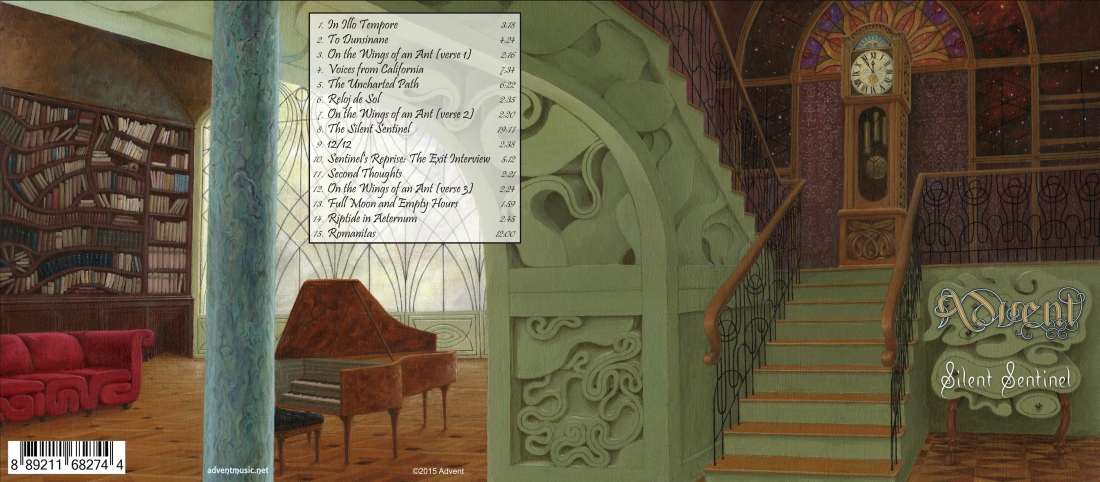
Silent Sentinel (independent release, 2015)
Advent’s majestic 77.5-minute near-concept album of thoughtfully composed progressive rock music, ranging in scope from extended symphonic workouts to intimate acoustic guitar duets and much more in between—featuring rich multi-part vocal segments, quite a bit of additional dual-guitar work within the context of larger arrangements, and expanded instrumentation that includes many vintage keyboards (B3, Rhodes, Wurlitzer, CP-70, Clavinet, Moog Source, Sequential Circuits Pro One) along with real choir. Audiophile mastering by Bob Katz.
Track list:
- In Illo Tempore
- To Dunsinane
- On the Wings of an Ant (verse 1)
- Voices from California
- The Uncharted Path
- Reloj de Sol
- On the Wings of an Ant (verse 2)
- The Silent Sentinel
- 12/12
- Sentinel’s Reprise: The Exit Interview
- Second Thoughts
- On the Wings of an Ant (verse 3)
- Full Moon and Empty Hours
- Riptide in Aeternum
- Romanitas
Cantus Firmus (independent release, 2006)
Advent’s long-awaited second release finds the band once again pushing the limit of its members’ collective talent. Boasting eight new dynamic and inventive original compositions—including what is arguably the group’s crowning achievement to date, “Ramblin’ Sailor”—the album features wonderfully elaborate arrangements, beautiful guitar work (including a substantial amount of classical and acoustic guitars), and tight vocal interplay. Also includes two previously unreleased 24-track recordings of songs from the band’s debut CD as bonus tracks.
Track list:
- GK Contramundum
- Awaiting the Call …
- Parenting Parents
- Utter Once Her Name
- Remembering When
- Ramblin’ Sailor
- Your Healing Hand
- Firmus Finale
- Rear View Mirror [bonus track/previously unreleased 24-track recording]
- Alison Waits (A Ghost Story) [bonus track/previously unreleased 24-track recording]
Advent (Mellow Records [Italy], 1997)
In addition to all the original material that helped forge the group’s reputation in the early 1990s, Advent’s debut CD also features two classical arrangements, as well as “BITB”—the band’s premiere tribute to Gentle Giant. While the music covers a wide range of the progressive-rock spectrum, it is all tied together by a commonality that truly defines the “Advent sound.” As the group’s sense of poetry and storytelling has always been a strong focal point, a full set of lyrics is included in the disc’s six-page booklet.
Track list:
- Maginot Line
- Alison Waits (A Ghost Story)
- Rear View Mirror
- Trompe L’Oeil
- Nowhere Else To Go
- In The Tree
- Marche To The Fighte/The Retreat
- Caminando
- BITB
Gentle Giant Tributes
Giant Tracks (HyberNation Music, 1997)
The definitive independent tribute to one of the greatest progressive-rock bands of all time. Conceived, organized, administered, documented, and released exclusively via the Internet, Giant Tracks features contributions from 21 of the most talented Gentle Giant fans, including Mike Keneally (Frank Zappa’s last “stunt guitarist”), Kevin Gilbert (prestigious producer, solo artist, and former member of Giraffe), and Dan Barrett (creator/administrator of the “Gentle Giant Home Page”). Advent’s “BITB,” originally commissioned for the project, appears on this limited-edition two-CD set.
For additional information, please visit the Giant Tracks Web site.
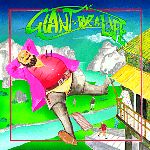
Giant for a Life (Mellow Records [Italy], 1997)
An equally impressive counterpart to Giant Tracks, Mellow’s Giant for a Life proves that Gentle Giant is one of the few groups whose material is worthy of at least two double-CD tributes. 18 artists from the US, UK, and Italy provide their individual insight into the music of Mr. Minnear and the brothers Shulman. In addition to “BITB,” Advent’s medley of “Experience/For Nobody” makes its exclusive recorded appearance here.
Procol Harum Tribute

The Best of the Whalers (Brokkelfish Records [Germany], 2000)
Another independent tribute, this time in honor of Procol Harum. Released in the winter of 2000, this double-disc set contains 10 recordings of Procol Harum material, as well as 11 original compositions by fans of the band—quite a unique twist for a tribute project. In addition to Advent’s cover of “Robert’s Box” (from the Grand Hotel album), “Alison Waits (A Ghost Story)” is also featured.
For additional information, please visit The Best of the Whalers website.
Colossus Project
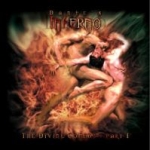
Dante’s Inferno (Musea Records [France], 2008)
Advent contributed “Canto XXVI (The Evil Counselors)” to this four-disc compilation that features 34 artists, each covering one canto from the first part of Dante Alighieri’s 14th-century epic poem Divine Comedy.